How to be more productive working from home
Domain specialist and verified guide author at HowToHub.
🎯 Quick Guide Summary & Core Answer
Here is the direct answer on how to be more productive working from home in 5 sequential steps:
⚡ TL;DR / Key Takeaways
- Follow a structured, expert-verified sequence of 5 steps to successfully be more productive working from home.
- Focus on the critical milestones: Designate a dedicated office space and Take structured, restorative breaks.
- Read the fact-checked tips and warnings to avoid common pitfalls during execution.
Step-by-Step Instructions
Designate a dedicated office space
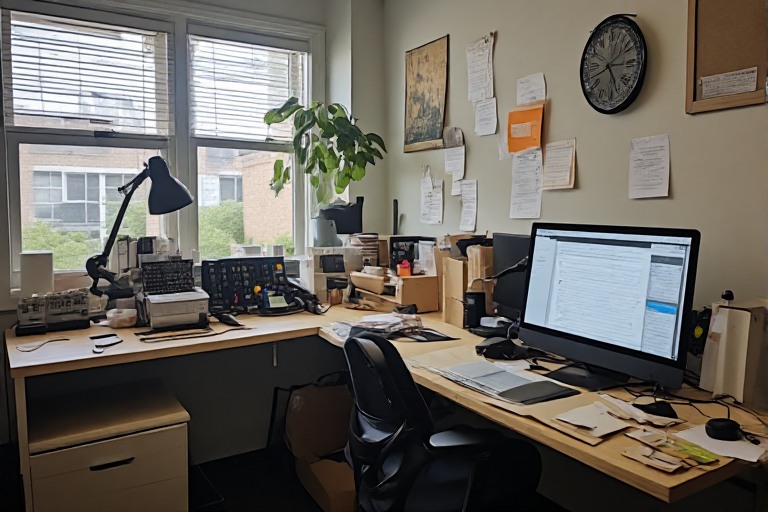
Never work from your bed or couch. Your brain associates these spaces with rest and relaxation, making it difficult to focus. Set up a dedicated workspace, even if it is just a specific corner of a table. Keep this area organized and free from household clutter. Working in the same location daily signals to your brain that it is time to work, improving focus. Read office design tips at [Steelcase Workspace Research](https://www.steelcase.com).
Establish clear startup and shutdown routines
Without a physical commute, you need transition routines to signal the start and end of your workday. In the morning, change out of your pajamas, take a walk (a 'virtual commute'), and write your daily priorities. In the evening, perform a shutdown routine: close all open browser tabs, review your achievements, write your checklist for tomorrow, and shut down your computer. Learn schedules on [Toggl](https://toggl.com/blog/wfh-routine).
Communicate boundaries with housemates
If you live with family or roommates, establish clear boundaries to prevent interruptions. Share your daily meeting schedule with them. Use a physical cue, like a closed door, a doorknob sign, or wearing headphones, to indicate when you are in deep focus and should not be disturbed. This boundary setup prevents distractions and ensures you can complete deep work blocks without interruption.
Implement a time tracking system
It is easy to lose track of time at home, leading to low productivity or overworking. Use a free time-tracking tool like [Toggl Track](https://toggl.com/track) to log your activities. Track your work sessions and analyze where your time goes. This data helps you identify habits that waste time, refine your schedule, and ensure you maintain a healthy work-life balance.
Take structured, restorative breaks
Do not sit at your desk for 5 hours straight. This leads to fatigue and low-quality work. Use the Pomodoro Technique: work for 25 minutes, then take a 5-minute break. During your breaks, get away from screens: stretch, hydrate, or walk outside. Restorative breaks reset your focus and prevent the physical strains of prolonged sitting, keeping your energy high throughout the day.
Was this step-by-step guide helpful?
Your feedback helps us keep our guides accurate and clear.
📚 Authority Sources & Citations
This step-by-step guide is aligned with references and verification guidelines from the following trusted authorities: