How to boost your immune system naturally
Domain specialist and verified guide author at HowToHub.
🎯 Quick Guide Summary & Core Answer
Here is the direct answer on how to boost your immune system naturally in 7 sequential steps:
⚡ TL;DR / Key Takeaways
- Follow a structured, expert-verified sequence of 7 steps to successfully boost your immune system naturally.
- Focus on the critical milestones: Stop chasing supplements—fix your basics first and The one thing most people get wrong about immunity.
- Read the fact-checked tips and warnings to avoid common pitfalls during execution.
Step-by-Step Instructions
Stop chasing supplements—fix your basics first
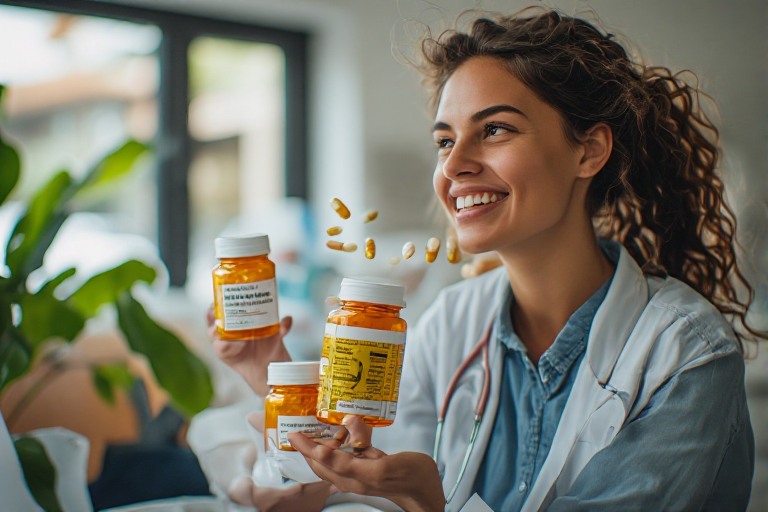
Everyone wants to know which supplement will ‘boost’ their immune system. Vitamin D? Zinc? Elderberry gummies? Look, these aren’t useless, but they’re not the foundation either. Your body needs consistent, real-food nutrients before it can even use those pills. I learned this the hard way when I spent $50 on a fancy zinc supplement, only to realize I was still deficient because I wasn’t eating enough pumpkin seeds or lentils. Start with food: oysters, beef, chickpeas, and sunflower seeds are packed with zinc. For vitamin D, 15 minutes of midday sun (no sunscreen) does more than most supplements—just don’t fry yourself. If you’re indoors all day, a D3 + K2 supplement is smart, but get your levels tested first. Most people assume they’re deficient, but some aren’t, and too much D can backfire. Pro tip: take it with a meal that has fat (like avocado or olive oil) so your body can actually absorb it. Skip the gummy vitamins—they’re mostly sugar and marketing.
Your gut is your immune system’s control center
Here’s something most people miss: 70% of your immune system lives in your gut. Not your lymph nodes, not your tonsils—your gut. If your microbiome is a mess, your immune response will be too. I used to think ‘eat yogurt’ was enough, but it’s not. You need diversity. Aim for 30 different plants a week—yes, 30. Sounds insane, but it’s easier than you think. A handful of nuts here, a sprinkle of seeds there, a different veggie at dinner. Fermented foods help too: sauerkraut, kimchi, kefir, or kombucha. But skip the sugary yogurts and ‘probiotic’ granola bars—they’re junk. The real work is feeding the good bacteria with fiber. One trick I love: keep a jar of mixed seeds (chia, flax, sunflower, pumpkin) in the fridge and toss a spoonful into smoothies, oatmeal, or salads. It’s an easy way to hit your plant count without overthinking it. And if you’re taking antibiotics, double down on fermented foods—those drugs wipe out the good guys too.
Sleep like your immune system depends on it (because it does)
Sleep is the closest thing to a free immune booster, but most of us treat it like a luxury. Here’s the deal: when you sleep, your body releases cytokines, proteins that help fight infection and inflammation. Skimp on sleep, and you’re basically telling your immune system to take a coffee break. I used to brag about functioning on 5 hours—until I tracked my colds and realized I got sick twice as often during those stretches. Now? 7–9 hours, no excuses. But it’s not just about quantity. Quality matters too. Blackout curtains, a cool room (around 65°F), and no screens an hour before bed make a huge difference. If you’re someone who wakes up at 3 a.m. staring at the ceiling, try the ‘4-7-8’ breathing trick: inhale for 4 seconds, hold for 7, exhale for 8. It sounds woo-woo, but it works—I’ve used it to fall back asleep more times than I can count. And here’s a hard truth: if you’re consistently getting less than 7 hours, no amount of kale or vitamin C will save you.
Move, but don’t punish yourself
Exercise is one of the best ways to boost your immune system naturally—but only if you do it right. Too little, and your immune cells get sluggish. Too much (like marathon training without recovery), and you’re basically giving your immune system a stress hangover. The sweet spot? Moderate, consistent movement. Think brisk walks, cycling, swimming, or even dancing in your kitchen. I used to force myself into intense HIIT workouts because ‘more is better,’ but I kept getting sick. Then I switched to 30-minute walks and yoga, and my energy stabilized. Aim for 150 minutes a week of moderate activity—that’s just 20 minutes a day. One of my favorite tricks: a 10-minute walk after meals. It lowers blood sugar, aids digestion, and gets those immune cells circulating. And if you’re sick? Skip the gym. Your body needs rest, not a PR attempt. The goal isn’t to burn the most calories; it’s to keep your immune system humming along without extra stress.
Stress is the silent immune killer
Here’s the thing about stress: short-term, it’s not the enemy. Your body is designed to handle it—like when you’re running late for a meeting and your cortisol spikes to keep you sharp. But long-term stress? That’s a different story. Chronic stress keeps cortisol elevated, which weakens your immune response over time. I learned this the hard way during a year of back-to-back deadlines. I was eating well, sleeping enough, and exercising, but I kept getting sick. Turns out, my stress levels were sabotaging everything. The fix? Small, daily resets. Meditation helps, but it’s not the only option. Try the ‘4-7-8’ breathing method (inhale 4 sec, hold 7, exhale 8) when you’re feeling overwhelmed. Or just step outside for 5 minutes and look at the sky. Nature is a proven stress reducer—no app required. One of my favorite tricks: leave your phone in another room while you eat. Sounds simple, but it forces you to actually *be* where you are, not scrolling through someone else’s highlight reel. And if you’re someone who says, ‘I don’t have time to relax,’ here’s your wake-up call: you don’t have time *not* to.
Hydration isn’t sexy, but it’s non-negotiable
Want to know the easiest way to boost your immune system naturally? Drink more water. Sounds boring, but it’s true. Your lymphatic system—basically your body’s sewage system—relies on hydration to flush out toxins and move immune cells around. Dehydrated? Your lymph gets sluggish, and your immune response slows down. I used to wait until I was thirsty to drink water, but by then, I was already behind. Now, I keep a water bottle with me at all times and sip throughout the day. Pro tip: if your pee is dark yellow, you’re already dehydrated. Aim for pale yellow, like lemonade. And skip the sugary drinks—they actually impair your white blood cells for hours. One of my favorite tricks: add a pinch of salt to your water in the morning. It helps with absorption and replenishes electrolytes. And if you’re someone who hates plain water, try herbal tea or infused water (cucumber + mint is my go-to). Just don’t fall for the ‘detox water’ hype—your liver does the detoxing, not the lemon slices.
The one thing most people get wrong about immunity
Here’s the contrarian take: most ‘immune-boosting’ advice is about prevention, not boosting. Your immune system isn’t a muscle you can pump up with a single workout. It’s more like a garden—you can’t force it to grow faster, but you can create the right conditions for it to thrive. That means consistency over intensity. You can’t binge-sleep before flu season and expect to be protected. You can’t eat a salad once and call it a day. The people who stay healthy year after year aren’t the ones with the fanciest supplements or the most extreme routines. They’re the ones who show up every day with small, sustainable habits. So if you’re feeling overwhelmed, start with one thing: sleep, hydration, or stress. Master that, then add another. And if you fall off the wagon? Just get back on. Your immune system doesn’t care about perfection—it cares about effort.
Was this step-by-step guide helpful?
Your feedback helps us keep our guides accurate and clear.
📚 Authority Sources & Citations
This step-by-step guide is aligned with references and verification guidelines from the following trusted authorities: