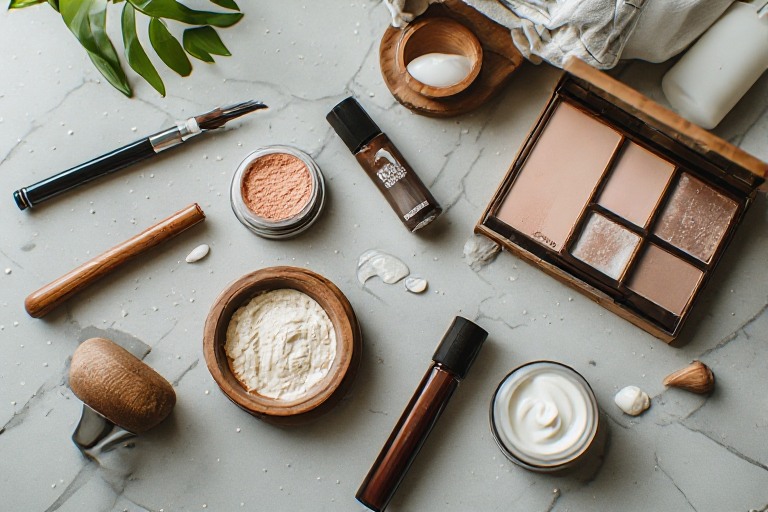
How to build a skincare routine from scratch
Domain specialist and verified guide author at HowToHub.
🎯 Quick Guide Summary & Core Answer
Here is the direct answer on how to build a skincare routine from scratch in 7 sequential steps:
⚡ TL;DR / Key Takeaways
- Follow a structured, expert-verified sequence of 7 steps to successfully build a skincare routine from scratch.
- Focus on the critical milestones: Figure Out Your Skin Type and Adjust as You Go.
- Read the fact-checked tips and warnings to avoid common pitfalls during execution.
Step-by-Step Instructions
Figure Out Your Skin Type
Before you buy anything, you’ve gotta know what you’re working with. Your skin type—oily, dry, combination, or sensitive—will dictate which products will work best for you. Here’s a quick way to tell: wash your face with a gentle cleanser, pat it dry, and wait an hour without applying anything. If your skin feels tight or flaky, you’re likely dry. Shiny all over? That’s oily. A little of both (like an oily T-zone but dry cheeks)? Combination. And if your skin gets red or irritated easily, you’re probably sensitive. Pro tip: if you’re still unsure, snap a photo of your bare skin in natural light and compare it to examples online. It’s not rocket science, but it’ll save you from buying stuff that won’t work.
Start with the Basics: Cleanse and Moisturize
Now that you know your skin type, let’s keep it simple. Every routine, no matter how fancy or minimal, should start with two non-negotiables: cleansing and moisturizing. Cleansing removes dirt, oil, and leftover makeup (which, yes, you *should* be taking off every night). For dry or sensitive skin, try a creamy cleanser like CeraVe Hydrating Cleanser. Oily skin? A gel or foaming cleanser like La Roche-Posay Effaclar will do the trick. After cleansing, lock in moisture with a lightweight lotion or a richer cream, depending on your needs. Even oily skin needs hydration—look for oil-free options like Neutrogena Hydro Boost. Think of it like giving your skin a big drink of water. It’s the easiest way to keep it balanced and happy.
Add Sunscreen—Non-Negotiable
I know, I know—sunscreen can feel like an extra step, but trust me, it’s the most important one. UV rays are sneaky; they cause wrinkles, dark spots, and even skin cancer, and they’re out there *every* day, rain or shine. If you do nothing else, wear sunscreen. Look for a broad-spectrum SPF 30 or higher, and make sure it’s labeled for your face (body sunscreen can be too heavy or pore-clogging). For oily skin, try a mattifying option like EltaMD UV Clear. Dry skin? Go for something hydrating like Supergoop! Unseen Sunscreen. And if you’re worried about white cast, mineral sunscreens with zinc oxide (like Blue Lizard) are your best bet. Apply it every morning as the last step in your routine, even if you’re just sitting inside—those rays come through windows too!
Listen to Your Skin’s Specific Needs
Now that you’ve got the basics down, it’s time to address any specific concerns—like acne, dark spots, or fine lines. But here’s the thing: don’t go overboard. Start with one active ingredient at a time so you can see how your skin reacts. For acne, try a gentle salicylic acid cleanser or a benzoyl peroxide spot treatment. Dark spots? Vitamin C serum in the morning (like TruSkin Vitamin C) can help brighten things up. And if you’re dealing with dryness or wrinkles, a hyaluronic acid serum (like The Ordinary’s) or a retinol product (start slow, like CeraVe Resurfacing Retinol Serum) can work wonders. Introduce one new product every 2-3 weeks, and pay attention to how your skin feels. If it starts acting up, scale back. Skincare isn’t about fixing everything at once—it’s about giving your skin what it needs, when it needs it.
Exfoliate—But Don’t Overdo It
Exfoliating is like giving your skin a fresh start, but it’s easy to go overboard. Over-exfoliating can strip your skin and cause irritation, so start slow. There are two types: physical exfoliants (scrubs with tiny particles) and chemical exfoliants (acids like AHAs or BHAs). If you’re new to this, chemical exfoliants are usually gentler. For dry or sensitive skin, try a lactic acid product (like The Ordinary Lactic Acid 5% + HA) once or twice a week. Oily or acne-prone skin? Salicylic acid (like Paula’s Choice 2% BHA Liquid Exfoliant) is your best friend. Physical exfoliants can work too, but avoid anything with rough beads or shells—opt for a gentle option like Dermalogica Daily Microfoliant. And always, *always* follow up with moisturizer and sunscreen, because exfoliating makes your skin more sensitive to the sun.
Build a Morning and Night Routine
Your skin has different needs in the morning versus at night, so it’s worth tailoring your routine accordingly. In the morning, focus on protection: cleanse, apply any serums (like vitamin C for brightening), moisturize, and *always* finish with sunscreen. At night, your skin goes into repair mode, so this is the time to use heavier products or treatments. Start with a double cleanse if you wore makeup or sunscreen, then apply any active ingredients (like retinol or exfoliants), followed by a richer moisturizer or a hydrating mask. For example, your morning routine might look like: cleanser → vitamin C serum → moisturizer → SPF. Nighttime? Double cleanse → retinol → moisturizer. Keep it simple at first, then add more steps as you get comfortable. And remember, consistency is key—stick with it for at least 4-6 weeks to see real results.
Adjust as You Go
Skincare isn’t a one-and-done deal—it’s all about tweaking things as your skin changes. Maybe you notice your skin gets drier in the winter, or you break out more when you’re stressed. That’s totally normal! Pay attention to how your skin reacts to products, the weather, and even your diet. If something stops working, don’t be afraid to switch it up. For example, if your usual moisturizer isn’t cutting it in the colder months, try adding a hydrating serum or a facial oil (like rosehip or squalane) to your routine. And if you’re dealing with a sudden breakout or irritation, take a step back and simplify. Sometimes less is more. It’s also a good idea to take progress photos every few weeks—you might not notice changes day-to-day, but looking back can be a great motivator. Skincare is a journey, not a destination, so enjoy the process!
Was this step-by-step guide helpful?
Your feedback helps us keep our guides accurate and clear.
📚 Authority Sources & Citations
This step-by-step guide is aligned with references and verification guidelines from the following trusted authorities: