How to eat healthy on 50 dollars a week
Domain specialist and verified guide author at HowToHub.
🎯 Quick Guide Summary & Core Answer
Here is the direct answer on how to eat healthy on 50 dollars a week in 6 sequential steps:
⚡ TL;DR / Key Takeaways
- Follow a structured, expert-verified sequence of 6 steps to successfully eat healthy on 50 dollars a week.
- Focus on the critical milestones: Plan Your Meals Like a Pro and Drink Water (Seriously).
- Read the fact-checked tips and warnings to avoid common pitfalls during execution.
Step-by-Step Instructions
Plan Your Meals Like a Pro
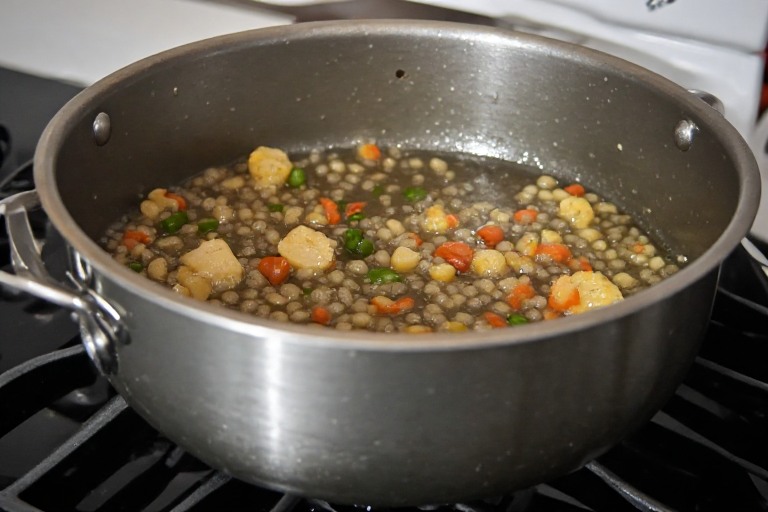
Before you even step foot in the store, grab a notebook or your phone and map out your meals for the week. Think simple, repeatable dishes that use overlapping ingredients—like oatmeal for breakfast, lentil soup for lunch, and stir-fried veggies with rice for dinner. Planning ahead stops you from grabbing random (and expensive) items on impulse. For example, if you’re making a big pot of chili, you can use the leftovers for tacos or stuffed sweet potatoes later in the week. Pro tip: Check your pantry first! You might already have spices, rice, or canned beans that can be the base of a meal. The less you waste, the more you save.
Prioritize Cheap, Filling Staples
Some foods are just *magic* for stretching your budget. Eggs, beans, lentils, oats, rice, potatoes, and frozen veggies should be your new best friends. A dozen eggs can turn into breakfast burritos, fried rice, or a frittata. A bag of dried lentils? That’s soup, curry, or even lentil burgers. Potatoes are ridiculously versatile—bake ‘em, mash ‘em, roast ‘em, or turn them into hash. And don’t forget about canned tuna or sardines; they’re packed with protein and omega-3s and last forever. The key is to focus on foods that give you the most bang for your buck—calories, nutrients, and versatility all in one.
Cook in Batches and Freeze Leftovers
Spending a couple hours on Sunday (or whatever day works for you) to cook in bulk will save you time, money, and stress during the week. Make a big pot of soup, a tray of roasted veggies, or a casserole that you can portion out and freeze. That way, when you’re too tired to cook, you’ve got a healthy meal ready to go instead of ordering takeout. Soups, stews, and chilis freeze especially well—just thaw and reheat. You can also cook a big batch of grains like rice or quinoa and use them in different meals throughout the week. For example, cook 3 cups of rice and use it for stir-fry, burrito bowls, and fried rice. Easy peasy.
Get Creative with Leftovers
Leftovers don’t have to be boring. In fact, they’re your secret weapon for saving money and reducing food waste. Got half a roasted chicken? Shred it for tacos, toss it into a salad, or mix it with mayo for sandwiches. Leftover veggies? Blend them into a soup or add them to an omelet. Stale bread? Turn it into croutons or breadcrumbs. The possibilities are endless if you’re willing to get a little creative. One of my favorite tricks is to keep a “leftover bin” in the fridge where I toss odds and ends—carrot tops, half an onion, a bit of cheese—and turn them into a frittata or fried rice at the end of the week. It’s like a free meal!
Skip the Snack Aisles (Mostly)
Pre-packaged snacks are a budget killer. A bag of chips here, a box of granola bars there, and suddenly you’ve blown $10 on stuff that won’t fill you up. Instead, make your own snacks using ingredients you already have. Popcorn is a great example—buy kernels in bulk, pop ‘em on the stove, and season with salt, nutritional yeast, or chili powder. Hard-boiled eggs, apple slices with peanut butter, or roasted chickpeas are other cheap and filling options. If you *do* buy snacks, stick to simple things like nuts or dried fruit in bulk. Pro tip: Portion out snacks into small containers or bags so you’re not mindlessly eating straight from the bag (we’ve all been there).
Drink Water (Seriously)
This one’s simple but so easy to overlook. Soda, juice, fancy coffee drinks—all of these add up *fast* and do zero for your health. Stick to water (tap is free!) and you’ll save a ton of money. If you’re craving flavor, add a slice of lemon, cucumber, or a splash of fruit juice. Herbal tea is another great option—it’s cheap, hydrating, and comes in a million flavors. If you’re a coffee drinker, brew it at home instead of hitting the drive-thru. A $5 bag of coffee beans will last you weeks, whereas a daily latte can cost you $20+ a week. That’s a no-brainer. Plus, drinking enough water keeps you full and helps you avoid mindless snacking. Win-win.
Was this step-by-step guide helpful?
Your feedback helps us keep our guides accurate and clear.
📚 Authority Sources & Citations
This step-by-step guide is aligned with references and verification guidelines from the following trusted authorities: