How to meal plan for weight loss beginners
Domain specialist and verified guide author at HowToHub.
🎯 Quick Guide Summary & Core Answer
Here is the direct answer on how to meal plan for weight loss beginners in 5 sequential steps:
⚡ TL;DR / Key Takeaways
- Follow a structured, expert-verified sequence of 5 steps to successfully meal plan for weight loss beginners.
- Focus on the critical milestones: Start with Your Why and Set Realistic Goals and Prep Ahead to Save Time and Stress.
- Read the fact-checked tips and warnings to avoid common pitfalls during execution.
Step-by-Step Instructions
Start with Your Why and Set Realistic Goals
Before you dive into recipes or grocery lists, take a sec to think about why you want to lose weight. Is it for more energy, better sleep, or just feeling more confident in your clothes? Write it down—it’ll keep you motivated when things get tough. Now, set a realistic goal. Aiming to lose 1-2 pounds a week is totally doable and won’t leave you feeling miserable. For example, if you’re currently eating 2,500 calories a day, try cutting back to 2,000 (or whatever your maintenance level is minus 500). Small changes add up, and you’re way more likely to stick with it if it doesn’t feel like a punishment.
Pick a Simple Meal Planning Method
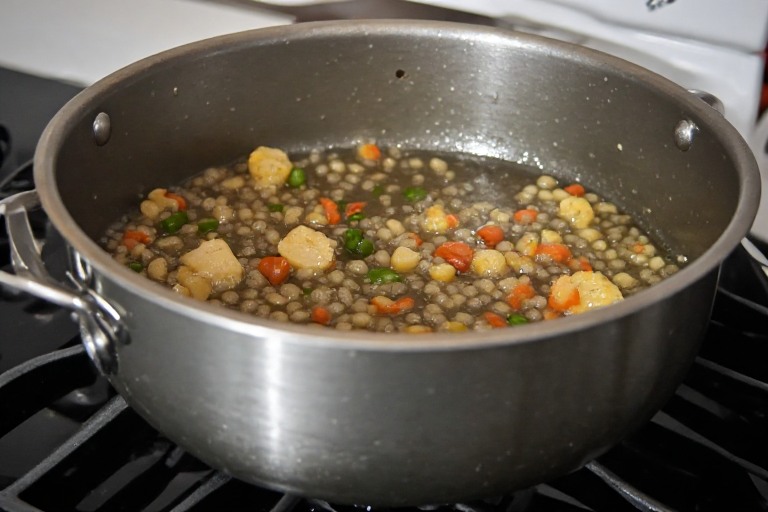
You don’t need to overcomplicate this. Start with a method that fits your lifestyle. If you’re super busy, try the "batch cooking" approach: cook a big pot of something like chili, soup, or stir-fry on Sunday, then portion it out for lunches or dinners during the week. Another easy option is the "plate method": fill half your plate with veggies, a quarter with lean protein (like chicken, fish, or tofu), and a quarter with complex carbs (think quinoa, sweet potatoes, or brown rice). No measuring cups required! If you love variety, try "theme nights" (e.g., Meatless Monday, Taco Tuesday) to keep things fun without overwhelming yourself.
Stock Your Kitchen with Weight-Loss-Friendly Staples
A well-stocked kitchen is your secret weapon. Start by clearing out the junk—you don’t have to throw it all away, but move it out of sight so you’re not tempted. Then, load up on staples that make healthy eating a no-brainer. Think frozen veggies (they’re just as nutritious as fresh and won’t go bad), canned beans (black beans, chickpeas—great for protein and fiber), and whole grains like oats, quinoa, or whole-wheat pasta. For proteins, keep it simple: eggs, chicken breast, ground turkey, or canned tuna. And don’t forget healthy fats like avocados, nuts, and olive oil—they’ll keep you full and satisfied. Pro tip: Buy spices in bulk or grab the basics (garlic powder, cumin, paprika) to add flavor without extra calories.
Plan Your Meals Around Protein and Fiber
Here’s the golden rule of meal planning for weight loss: prioritize protein and fiber. They’re the dynamic duo that’ll keep you full, stabilize your blood sugar, and help you avoid those pesky cravings. Aim for at least 20-30 grams of protein per meal. For example, a breakfast of Greek yogurt with berries and a sprinkle of granola gives you protein *and* fiber. For lunch, try a big salad with grilled chicken, chickpeas, and a variety of veggies. Dinner could be baked salmon with roasted Brussels sprouts and quinoa. Snacks? Think apple slices with peanut butter or hummus with carrot sticks. The key is to make every meal balanced so you’re not left feeling hangry an hour later.
Prep Ahead to Save Time and Stress
Meal prep doesn’t mean you have to spend your entire Sunday cooking. Even just 30 minutes can make a huge difference. Start by washing and chopping veggies so they’re ready to toss into salads, stir-fries, or omelets. Cook a big batch of grains like rice or quinoa to use in multiple meals. If you’re making a casserole or soup, double the recipe and freeze half for later. Another real shift? Portion out snacks in advance. Divide nuts, cheese cubes, or fruit into small containers so you’re not mindlessly munching straight from the bag. And if you’re really short on time, just prep the components—like grilled chicken or roasted veggies—and mix and match them throughout the week.
Was this step-by-step guide helpful?
Your feedback helps us keep our guides accurate and clear.
📚 Authority Sources & Citations
This step-by-step guide is aligned with references and verification guidelines from the following trusted authorities: