How to stop procrastinating when studying
Domain specialist and verified guide author at HowToHub.
🎯 Quick Guide Summary & Core Answer
Here is the direct answer on how to stop procrastinating when studying in 5 sequential steps:
⚡ TL;DR / Key Takeaways
- Follow a structured, expert-verified sequence of 5 steps to successfully stop procrastinating when studying.
- Focus on the critical milestones: Start with a Tiny Goal and Reward Yourself (Like, Actually).
- Read the fact-checked tips and warnings to avoid common pitfalls during execution.
Step-by-Step Instructions
Start with a Tiny Goal
When you’re dreading a study session, the idea of tackling a huge chunk of work can feel paralyzing. Instead of thinking, 'I need to study for three hours,' try setting a tiny, manageable goal like, 'I’ll read just five pages' or 'I’ll review one set of flashcards.' The key here is to make the first step so small that your brain doesn’t put up a fight. Once you start, you’ll often find it’s easier to keep going. For example, if you’re studying history, commit to reading just one section of your notes. More often than not, you’ll end up doing more than you planned. This trick works because it bypasses the mental resistance that comes with big tasks. Think of it like dipping your toe in the water before diving in—it’s way less intimidating.
Set a Timer (But Not the Way You Think)
You’ve probably heard of the Pomodoro Technique—25 minutes of work followed by a 5-minute break—but let’s be real, sometimes 25 minutes feels like an eternity when you’re not in the zone. Instead, try a shorter timer, like 10 or 15 minutes, and tell yourself, 'I’ll just focus until this goes off.' The shorter time frame makes it easier to commit, and once the timer starts, you might surprise yourself by how much you get done. For example, set a 10-minute timer and challenge yourself to write as much as you can for an essay outline. When the timer goes off, you can decide whether to keep going or take a break. The goal isn’t to force yourself to work nonstop but to create a rhythm that keeps you moving forward without burning out. If you’re really struggling, try the '5-minute rule': Tell yourself you’ll work for just five minutes, and if you’re still not feeling it, you can stop. Spoiler: You’ll usually keep going.
Eliminate Distractions Before They Happen
Your phone is the ultimate procrastination machine, and let’s be honest, we’ve all fallen down the rabbit hole of Instagram or TikTok when we should’ve been studying. Instead of relying on willpower to resist the urge, set yourself up for success by removing temptations before they derail you. Put your phone on 'Do Not Disturb' mode, or better yet, leave it in another room. If you’re studying on your laptop, use apps like Freedom or Cold Turkey to block distracting websites (yes, that includes YouTube and Reddit). For example, if you’re writing a paper, close all your tabs except the ones you need for research. It’s also helpful to let the people around you know you’re studying so they don’t interrupt you. If you live with roommates or family, try wearing headphones (even if you’re not listening to music) as a signal that you’re in focus mode. The fewer distractions you have, the easier it is to stay on task.
Make Your Study Space Work for You
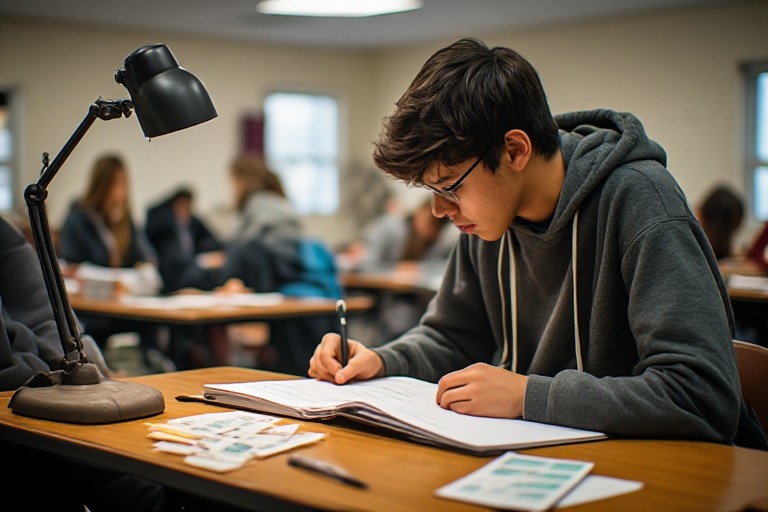
Your environment plays a huge role in how productive you are. If your study space is cluttered, uncomfortable, or full of distractions, it’s no wonder you’re procrastinating. Take a few minutes to set up a space that actually makes you want to study. For example, if you’re studying at a desk, clear off any unnecessary papers, grab a comfy chair, and make sure you have good lighting. If you’re someone who gets easily distracted by noise, try studying in a quiet library or using noise-canceling headphones with instrumental music or white noise. On the other hand, if you thrive with a little background noise, try a coffee shop or a playlist with lo-fi beats. The key is to create a space that signals to your brain, 'It’s time to focus.' If you’re studying at home, try to avoid working in bed—it’s too easy to get sleepy or distracted. Instead, set up a designated study area, even if it’s just a corner of your room with a small desk. The more you associate that space with productivity, the easier it’ll be to get into the zone.
Reward Yourself (Like, Actually)
Let’s be real—studying is way more appealing when there’s something to look forward to. Rewards don’t have to be big or expensive; they just need to be something that motivates you. For example, after finishing a chapter, treat yourself to a 10-minute walk, a piece of chocolate, or an episode of your favorite show. The key is to tie the reward directly to the task so your brain starts associating studying with positive feelings. If you’re working on a big project, break it into smaller chunks and reward yourself after each one. For instance, if you’re writing a 10-page paper, reward yourself after every two pages with something small, like a quick stretch or a funny meme break. The anticipation of the reward can help keep you motivated, especially when the work feels tedious. Just make sure the reward doesn’t become a distraction—set a time limit so you don’t end up binge-watching Netflix for hours instead of getting back to work.
Was this step-by-step guide helpful?
Your feedback helps us keep our guides accurate and clear.
📚 Authority Sources & Citations
This step-by-step guide is aligned with references and verification guidelines from the following trusted authorities: