How to get better sleep without medication
Domain specialist and verified guide author at HowToHub.
🎯 Quick Guide Summary & Core Answer
Here is the direct answer on how to get better sleep without medication in 8 sequential steps:
⚡ TL;DR / Key Takeaways
- Follow a structured, expert-verified sequence of 8 steps to successfully get better sleep without medication.
- Focus on the critical milestones: Wake up at the same time—even when it’s hard and Talk to yourself like you would a friend.
- Read the fact-checked tips and warnings to avoid common pitfalls during execution.
Step-by-Step Instructions
Wake up at the same time—even when it’s hard
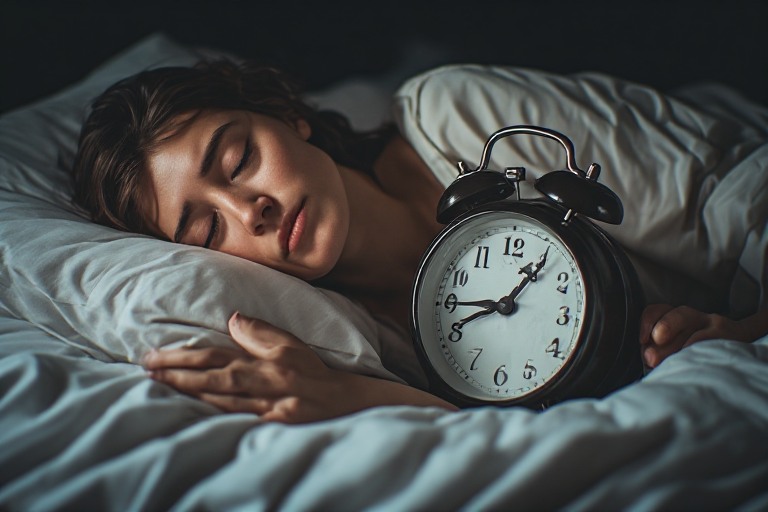
Here’s the thing about sleep: it’s not just about bedtime. It’s about wake-up time. Your body craves rhythm, and when you wake up at the same time every day—yes, even on weekends—you’re giving it a steady beat to follow. I know, I know. After a rough night, the snooze button feels like your only friend. But sleeping in just pushes your sleep window later, making it harder to fall asleep the next night. It’s a vicious cycle. Instead, set your alarm for the same time every morning and get up. Even if you’re tired. Even if it’s cloudy. Even if you want to cry. (I’ve been there.) Your body will thank you later. If you’re absolutely exhausted, take a short nap between 1 and 3 PM—but keep it under 20 minutes. Anything longer, and you’ll mess with your nighttime sleep. It’s not about perfection. It’s about showing up for yourself, even when it’s hard.
Let the morning light in—no sunglasses, no windows
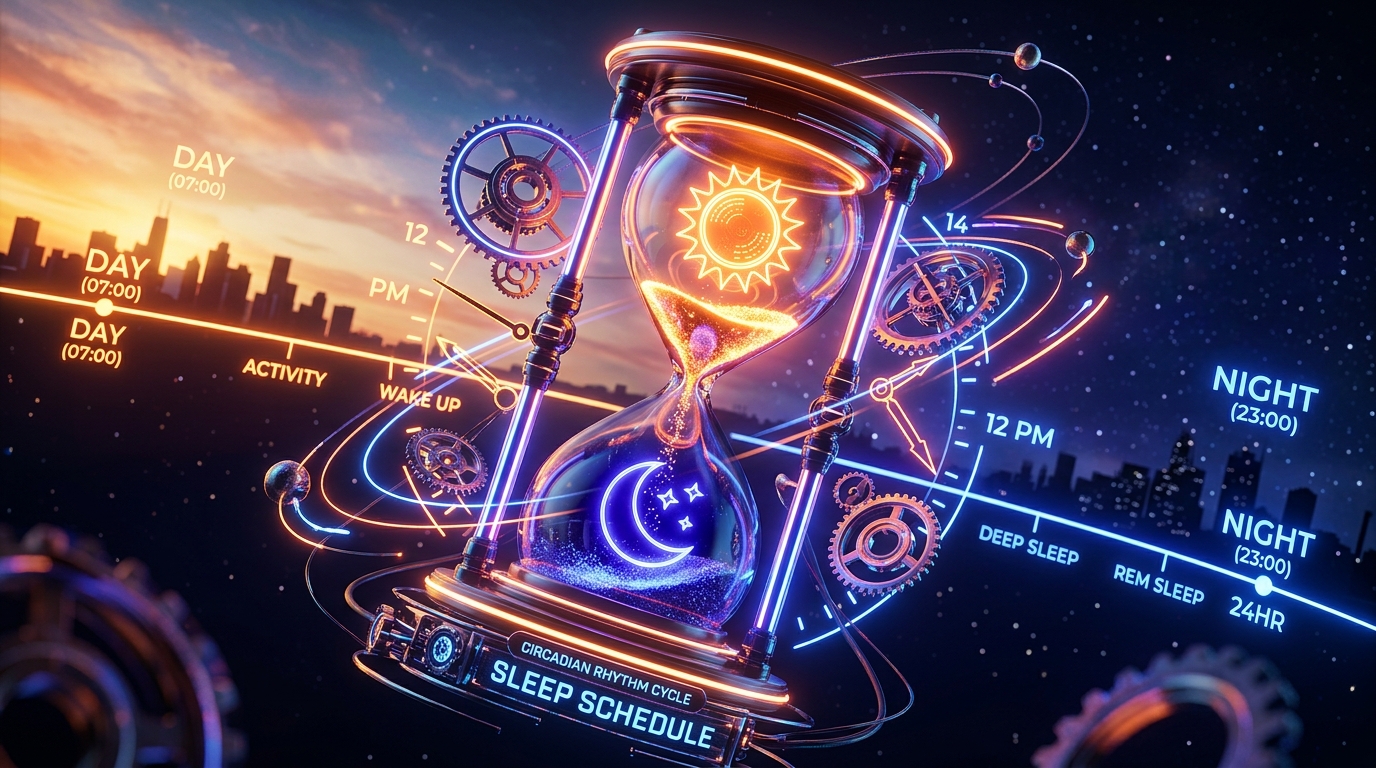
Remember when you were a kid and sunlight streaming through the curtains meant it was time to wake up? Your body still remembers that feeling. Bright light in the morning tells your brain, *Hey, it’s daytime now. Time to be awake.* And here’s the cool part: it also sets a timer for melatonin—your sleep hormone—to kick in about 16 hours later. So if you wake up at 7 AM, your brain starts prepping for sleep around 11 PM. But here’s the catch: you can’t just peek out the window. You need real sunlight—no sunglasses, no glass between you and the sky. Step outside for 10 to 15 minutes. Look up (not directly at the sun, please). Let the light hit your eyes. If it’s cloudy, stay out a little longer—20 to 30 minutes. I get it. Mornings are rushed. You’ve got kids to feed, emails to answer, a life to juggle. But this? This is a non-negotiable. It’s like giving your body a gentle nudge and saying, *We’re starting the day right.* And that small act? It makes all the difference.
Cool down your room—your body needs the chill
You ever notice how hard it is to sleep when you’re too hot? Your body actually needs to drop its core temperature by about 2 degrees to fall asleep. That’s why a cool room—somewhere between 60 and 67°F (15-19°C)—helps so much. But here’s a trick most people miss: take a hot shower or bath about 90 minutes before bed. Sounds counterintuitive, right? Here’s why it works. The hot water pulls blood to your skin, and when you step out, your body dumps heat fast. It’s like flipping a switch for your brain: *Oh, we’re cooling down. Time to sleep.* I started doing this after reading about it, and honestly? It’s one of those small changes that feels like magic. Pair it with breathable sheets—cotton, linen, or bamboo—and you’ve got a sleep setup that actually works with your body, not against it. No more tossing and turning because you’re too warm. Just quiet, steady rest.
Cut the caffeine and screens—your brain is begging you
Look, I love coffee as much as the next person. That first sip in the morning? Pure joy. But here’s the truth: caffeine sticks around in your system way longer than you think. It has a half-life of about 6 hours, which means if you drink it at 3 PM, half of it is still in your system at 9 PM. And that’s a problem because caffeine blocks adenosine—the chemical that builds up sleep pressure throughout the day. So if you’re struggling to fall asleep, try cutting caffeine by noon. I know, it’s a sacrifice. But your future self—who’s not staring at the ceiling at 2 AM—will thank you. Same goes for screens. Blue light from phones, TVs, and laptops tricks your brain into thinking it’s still daytime. So 60 minutes before bed, turn them off. Put your phone in another room. I get it—scrolling feels like a way to unwind. But it’s not. It’s just another form of stimulation. Instead, try reading a book (a real one, not an e-reader), stretching, or just sitting quietly. Your brain needs time to wind down. Give it that gift.
Feed your body what it’s missing—sleep starts with food
You’ve probably heard that what you eat affects your sleep, but here’s the thing: it’s not just about avoiding heavy meals before bed. It’s about giving your body the nutrients it needs to make the chemicals that help you relax. Magnesium, zinc, and L-theanine—these aren’t just buzzwords. They’re the building blocks of GABA and melatonin, the chemicals that tell your brain it’s time to wind down. You can get them from foods like pumpkin seeds, dark leafy greens, almonds, and chamomile tea. But if you’re not a fan of those (or just don’t eat enough of them), supplements can help.
Feed your body what it’s missing—sleep starts with food (Continued)
I started taking magnesium glycinate before bed, and honestly? It’s been a real shift. No grogginess, no weird side effects. Just a quiet mind and a body that’s ready to rest. Another trick? A small cup of tart cherry juice before bed. It’s packed with natural melatonin. No pills, no prescriptions. Just real food doing what it’s supposed to do. If you’re not sure where to start, talk to your doctor or a nutritionist. They can help you figure out what your body needs. Because sleep isn’t just about what you do at night. It’s about how you take care of yourself all day long.
Give yourself permission to rest—even if you’re not sleepy
Here’s the hard truth: sometimes, the more you try to force sleep, the more it eludes you. You lie there, staring at the ceiling, willing your body to cooperate. But sleep isn’t something you can muscle into happening. It’s something you have to surrender to. So if you’re in bed and you’re not sleepy, get up. Do something quiet and boring—read a book, listen to soft music, or just sit in the dark. Stay away from screens. Stay away from anything that feels like work. The goal isn’t to tire yourself out. It’s to stop treating sleep like a performance. Because here’s the thing: your body knows how to sleep. It just needs you to stop getting in the way. So give yourself permission to rest, even if you’re not asleep. Lie there with your eyes closed. Breathe. Let your mind wander. Eventually, sleep will come. And if it doesn’t? That’s okay too. Tomorrow is a new day. You’re not failing. You’re just learning what your body needs.
Talk to yourself like you would a friend
You wouldn’t tell a friend who’s struggling with sleep, *Just get over it. Everyone else can sleep, why can’t you?* So why do we say that to ourselves? Sleep isn’t a test you can fail. It’s not a measure of your worth. It’s just something your body does—or doesn’t do—sometimes. And when it doesn’t? It’s not because you’re broken. It’s because you’re human. So be kind to yourself. If you have a bad night, don’t spiral. Don’t start planning how you’ll survive the next day on no sleep. Instead, say this: *I’m doing my best. Tomorrow, I’ll try again.* Because that’s the truth. You are doing your best. And tomorrow? Tomorrow, you’ll wake up and try again. And little by little, your body will remember how to rest. Not because you forced it. But because you gave it the space to heal.
Was this step-by-step guide helpful?
Your feedback helps us keep our guides accurate and clear.
📚 Authority Sources & Citations
This step-by-step guide is aligned with references and verification guidelines from the following trusted authorities: