How to keep your house cool without AC
Domain specialist and verified guide author at HowToHub.
🎯 Quick Guide Summary & Core Answer
Here is the direct answer on how to keep your house cool without ac in 5 sequential steps:
⚡ TL;DR / Key Takeaways
- Follow a structured, expert-verified sequence of 5 steps to successfully keep your house cool without ac.
- Focus on the critical milestones: Block the Sun with Smart Window Tricks and Swap Out Your Bedding for Summer-Friendly Fabrics.
- Read the fact-checked tips and warnings to avoid common pitfalls during execution.
Step-by-Step Instructions
Block the Sun with Smart Window Tricks
Sunlight streaming through your windows is like turning your home into a greenhouse—lovely for plants, not so much for you. The key here is to stop the heat before it even gets inside. Start by closing your blinds or curtains during the day, especially on south- and west-facing windows where the sun’s rays are strongest. If you don’t have blackout curtains, no worries—hang up a thick blanket or even aluminum foil (shiny side out) as a temporary fix. For a more permanent solution, consider adding reflective window film, which you can find at most hardware stores for under $20. It’s like sunscreen for your windows, blocking up to 80% of the sun’s heat while still letting light in. And here’s a pro tip: open your windows at night when it’s cooler outside, then shut them first thing in the morning to trap that crisp, early air inside.
Create a Cross-Breeze with Fans
Fans are your best friend when it comes to cooling down without AC, but they’ve gotta be used the right way. The goal is to create a cross-breeze that pulls cool air in and pushes hot air out. Start by placing a fan near an open window to draw in cooler air from outside (this works best at night or early morning). Then, set up another fan on the opposite side of the room, facing outward, to push the hot air out. If you’ve only got one fan, no problem—just point it toward the window to help with airflow. Box fans or tower fans work great for this, but even a small desk fan can make a difference in a pinch. For an extra boost, try the ‘ice fan hack’: place a bowl of ice or a frozen water bottle in front of your fan. As the ice melts, the fan will blow cooler air your way—like a DIY air conditioner. Just remember to keep your fans clean (dusty blades make them less efficient) and turn them off when you leave the room to save energy.
Optimize Your Appliances to Reduce Heat
Your appliances are sneaky little heat generators, and in the summer, they’re working against you. The oven, for example, can turn your kitchen into a sauna in no time. Swap out baking for no-cook meals like salads, wraps, or cold pasta dishes. If you *have* to cook, use the microwave, slow cooker, or toaster oven—they produce way less heat than a full-sized oven. Same goes for your dryer: line-dry your clothes outside or on a drying rack indoors to avoid adding extra warmth to your home. Even small appliances like lamps and computers can contribute to the heat, so unplug them when they’re not in use (bonus: you’ll save on your electricity bill too). Another biggie? Your water heater. If it’s set too high, it’ll radiate heat into your space. Turn it down to around 120°F (49°C) to keep things cooler without sacrificing hot showers. And if you’ve got an old fridge humming away in the corner, consider upgrading to an energy-efficient model—older fridges can be major heat sources.
Use Plants and Greenery to Cool Things Down
Plants aren’t just for looks—they’re natural air conditioners. Certain plants, like snake plants, peace lilies, and aloe vera, release moisture into the air through a process called transpiration, which can actually lower the temperature in your home. Place a few of these around your space, especially near windows or in sunny spots, to help cool things down. If you’ve got a balcony, patio, or even just a windowsill, consider adding some potted plants or a small herb garden. Not only will they help with cooling, but they’ll also improve your air quality. For an even bigger impact, plant trees or tall shrubs outside your windows to provide natural shade. A well-placed tree can block up to 90% of the sun’s rays, keeping your home significantly cooler. If you’re renting or don’t have outdoor space, try hanging a few planters outside your windows to create a mini green curtain. And don’t forget about indoor vines—plants like pothos or ivy can grow along trellises or shelves, adding a lush, cooling touch to your decor.
Swap Out Your Bedding for Summer-Friendly Fabrics
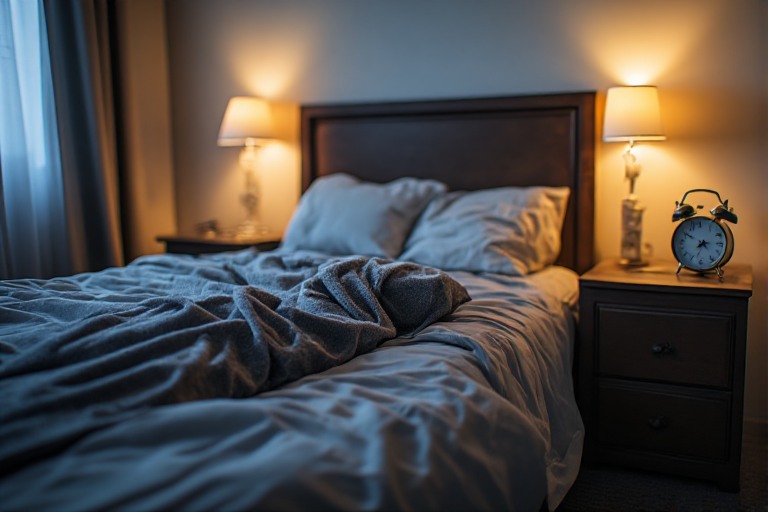
If you’re tossing and turning all night because you’re too hot, your bedding might be the culprit. Heavy flannel sheets and thick comforters are great for winter, but in the summer, they’re a recipe for disaster. Swap them out for lightweight, breathable fabrics like cotton or linen, which allow air to circulate and wick away sweat. Percale cotton sheets are a great choice because they’re crisp, cool, and durable. If you’re a hot sleeper, consider investing in a cooling pillow or mattress topper made from gel-infused memory foam or bamboo. These materials are designed to regulate your body temperature and keep you comfortable all night long. Another trick? Stick your sheets or pillowcases in the freezer for a few minutes before bed to give them an extra-chilly boost. And if you’ve got pets, try to keep them off the bed at night—their body heat can make things even toastier. Finally, opt for light-colored bedding, which reflects heat instead of absorbing it like darker fabrics do.
Was this step-by-step guide helpful?
Your feedback helps us keep our guides accurate and clear.
📚 Authority Sources & Citations
This step-by-step guide is aligned with references and verification guidelines from the following trusted authorities: