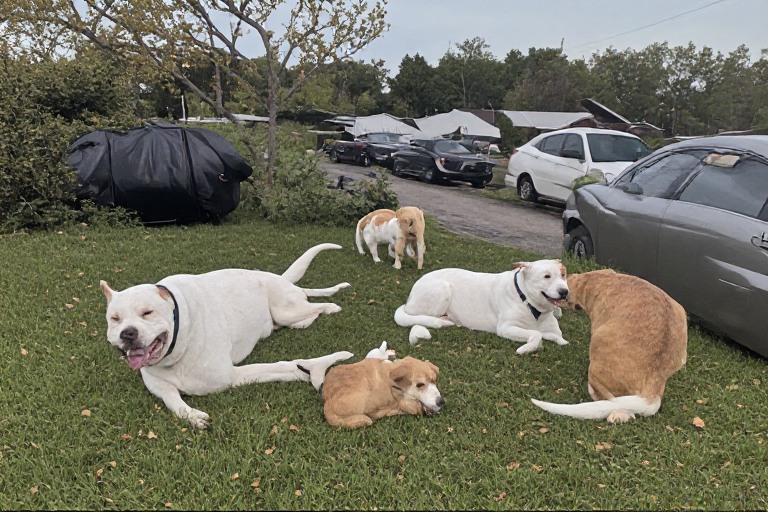
How to make homemade dog food safely
Domain specialist and verified guide author at HowToHub.
🎯 Quick Guide Summary & Core Answer
Here is the direct answer on how to make homemade dog food safely in 7 sequential steps:
⚡ TL;DR / Key Takeaways
- Follow a structured, expert-verified sequence of 7 steps to successfully make homemade dog food safely.
- Focus on the critical milestones: Understand what dogs actually need and Monitor health and adjust.
- Read the fact-checked tips and warnings to avoid common pitfalls during execution.
Step-by-Step Instructions
Understand what dogs actually need
Dogs need: - Protein (about 25-30% of calories): meat, eggs, fish - Fat (15-20%): animal fat, fish oil, plant oils - Carbohydrates (30-50%): rice, oats, sweet potato, vegetables - Calcium (1-1.5%): from bone meal or specific calcium supplements - Essential fatty acids (omega-3 and omega-6) - Vitamins and minerals in specific ratios - Water (always available) The hard part is the calcium/phosphorus ratio. Dogs need calcium in a specific ratio to phosphorus for bone health. Meat is high in phosphorus and low in calcium.
Understand what dogs actually need (Continued)
If you just feed meat, your dog will develop bone disease over time. This is the main reason homemade diets fail: not enough calcium, or wrong calcium/phosphorus ratio. You need to add calcium: - Ground eggshell powder (½ tsp per pound of meat) - Bone meal (specifically pet-grade, not garden-variety) - Calcium carbonate tablets Without this, your dog's bones will slowly demineralize. Months to years of damage before you notice.
Use a recipe, not a guess
Don't make up a homemade dog food recipe. Use one that's been formulated by a veterinary nutritionist. Reliable recipe sources: - BalanceIT.com (Dr. Lisa Freeman's site, has recipes and supplements) - Petdiets.com (veterinary nutritionist consultation) - ACVN.org (find a board-certified veterinary nutritionist near you) - Published recipes in veterinary nutrition textbooks A 'complete' recipe will specify: - Exact amounts of each ingredient - Daily portions based on dog weight - Required vitamin/mineral supplement - Frequency of feeding If a recipe doesn't include a calcium source and a vitamin/mineral supplement, it's incomplete. Don't use it. The most common mistake: feeding chicken and rice long-term without adding calcium and micronutrients. It looks healthy but causes problems over months.
A safe starter recipe
Here's a basic recipe that's nutritionally complete when paired with a proper supplement. Adapted from BalanceIT and veterinary nutrition references. For a 30-pound dog (adjust portions by weight): - 1 pound cooked lean ground meat (chicken, turkey, lean beef) - 2 cups cooked carbohydrates (rice, oats, sweet potato) - 1 cup cooked vegetables (carrots, green beans, squash) - 1 tablespoon fish oil (omega-3) - 1 teaspoon ground eggshell powder (calcium) - Daily vitamin/mineral supplement per package directions Mix all ingredients. Portion based on your dog's weight and activity level (typically 2-3% of body weight per day for adults). Refrigerate for up to 3 days or freeze for up to 3 months. This isn't a long-term diet plan without consulting your vet. Use it as a starting point or occasional meal. For sustained homemade feeding, get a custom plan from a veterinary nutritionist.
Foods to avoid
Some foods are toxic to dogs: - Chocolate - Grapes and raisins - Onions and garlic (in all forms, including powder) - Macadamia nuts - Xylitol (sugar-free sweetener, found in many products) - Avocado (mostly the pit and skin) - Raw bread dough - Alcohol - Caffeine - Cooked bones (splinter) Also problematic in large amounts: - Liver (vitamin A toxicity if it's a major portion of the diet) - Fish (thiaminase in some raw fish destroys thiamine) - High-fat foods (pancreatitis risk) - Salty foods Some foods are debated: - Raw diets: risk of bacterial contamination for both dog and humans - Grain-free: recent FDA investigation into heart disease link; consult vet When in doubt, check with your vet before adding new foods.
Transition slowly to avoid digestive upset
Switching diets too fast causes vomiting, diarrhea, and refusing to eat. Transition over 7-10 days: Day 1-2: 25% new food, 75% old food Day 3-4: 50% new food, 50% old food Day 5-6: 75% new food, 25% old food Day 7+: 100% new food Some dogs need an even slower transition (especially for sensitive stomachs or senior dogs). Watch for: - Loose stool or diarrhea - Vomiting - Refusing to eat - Excessive gas If you see these, slow down the transition. Go back to the previous ratio for a few more days. Also: homemade food is more variable than kibble. Some batch-to-batch variation in your dog's stool is normal.
Monitor health and adjust
Once your dog is on homemade food, monitor for signs of nutritional problems: Good signs: - Healthy coat (shiny, not flaky) - Good energy - Solid stools - Healthy weight (you should be able to feel but not see ribs) - Healthy appetite Warning signs: - Dull, dry coat or excessive shedding - Weight loss or weight gain - Lethargy - Bad breath (more than normal) - Bone or joint issues - Behavior changes Every 6 months, have your vet run bloodwork. This catches nutritional deficiencies before they become serious. Calcium, phosphorus, vitamin D, and other markers should be in normal range. If they're not, adjust the recipe or add specific supplements. Your vet may recommend a consultation with a veterinary nutritionist for fine-tuning. Don't skip the follow-up bloodwork. Homemade diets can look fine on the outside while causing problems on the inside.
Was this step-by-step guide helpful?
Your feedback helps us keep our guides accurate and clear.
📚 Authority Sources & Citations
This step-by-step guide is aligned with references and verification guidelines from the following trusted authorities: