How to stay focused when working from home
Domain specialist and verified guide author at HowToHub.
🎯 Quick Guide Summary & Core Answer
Here is the direct answer on how to stay focused when working from home in 5 sequential steps:
⚡ TL;DR / Key Takeaways
- Follow a structured, expert-verified sequence of 5 steps to successfully stay focused when working from home.
- Focus on the critical milestones: Use digital site blocks to lock focus and Manage your home domestic chores timing.
- Read the fact-checked tips and warnings to avoid common pitfalls during execution.
Step-by-Step Instructions
Use digital site blocks to lock focus
When working on a computer at home, distracting websites are always one tab away. Introduce friction by installing website blockers. Tools like [Freedom](https://freedom.to) or [Cold Turkey](https://getcoldturkey.com) block distracting websites and social media apps across all your devices during focus hours. This prevents mindless scrolling when a task gets difficult, keeping your focus on your work.
Control environmental noise and acoustics
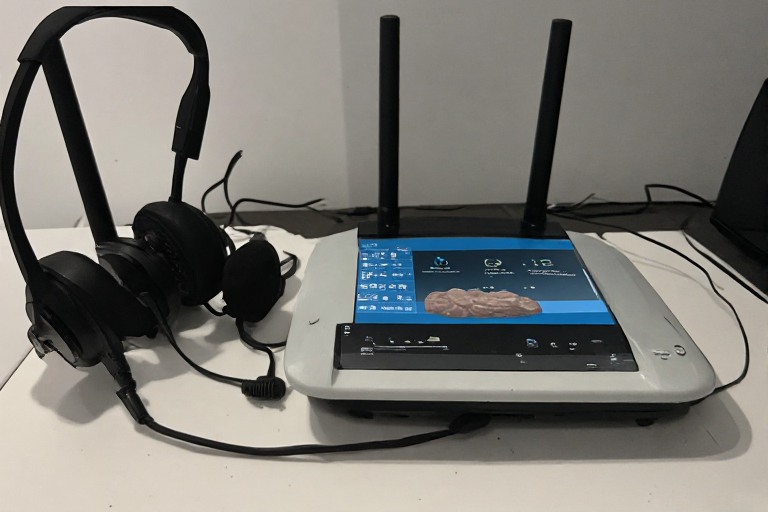
Household noises, like appliances, traffic, or family members, disrupt focus. Invest in a pair of active noise-canceling (ANC) headphones. Play ambient music, white noise, or video game soundtracks (which are designed to keep players focused without distracting lyrics). Use platforms like [Brain.fm](https://www.brain.fm) or [Focus@Will](https://www.focusatwill.com) for science-backed focus music that matches brainwave patterns.
Structure your day in focus blocks
Avoid multitasking, which drains mental energy. Group your work into specific 60-to-90-minute focus blocks dedicated to a single task. For example, assign block 1 to email, block 2 to writing, and block 3 to meetings. Turn off all email and chat notifications during your deep work blocks to prevent interruptions. Read focus research on [Cal Newport's Deep Work Center](https://www.calnewport.com).
Design a strict morning transitions habit
Your brain needs a clear signal that it has transitioned from home mode to work mode. Establish a routine: wake up at a regular time, get dressed in work-appropriate clothes, and write your daily objectives. Avoid checking your phone or emails before completing your morning routine. This creates a mental boundary that prepares your mind for focus. Learn routines on [James Clear's Habits Guide](https://jamesclear.com).
Manage your home domestic chores timing
Seeing dirty dishes or laundry triggers a desire to escape work. Manage this by scheduling specific times for household chores. Do not clean during your work hours. Assign chores to a 15-minute slot right after lunch or after your workday ends. Separating domestic tasks from work tasks keeps your mind clear and focused on professional goals.
Was this step-by-step guide helpful?
Your feedback helps us keep our guides accurate and clear.
📚 Authority Sources & Citations
This step-by-step guide is aligned with references and verification guidelines from the following trusted authorities: