How to stop being a light sleeper
Domain specialist and verified guide author at HowToHub.
🎯 Quick Guide Summary & Core Answer
Here is the direct answer on how to stop being a light sleeper in 8 sequential steps:
⚡ TL;DR / Key Takeaways
- Follow a structured, expert-verified sequence of 8 steps to successfully stop being a light sleeper.
- Focus on the critical milestones: Drown out the noise that wakes you up and Give yourself permission to rest.
- Read the fact-checked tips and warnings to avoid common pitfalls during execution.
Step-by-Step Instructions
Drown out the noise that wakes you up
Remember that night you woke up at 3 a.m. because a raccoon knocked over your trash can? Yeah, me too. Your brain is wired to detect threats, even when they’re just garbage-raiding critters. That’s where sound masking comes in. A good sound machine or app playing pink or brown noise can be a real shift. Unlike white noise, which can feel harsh, pink and brown noise have deeper, richer tones—think steady rain or wind through trees. The goal isn’t to block out all sound but to create a consistent backdrop that makes sudden noises less jarring. I kept mine on a low volume for weeks before realizing I’d stopped noticing the neighbor’s early-morning lawnmower. Start with the speaker between your bed and the window or door—wherever the noise is coming from. It’s not about silence; it’s about control.
Give earplugs a real chance
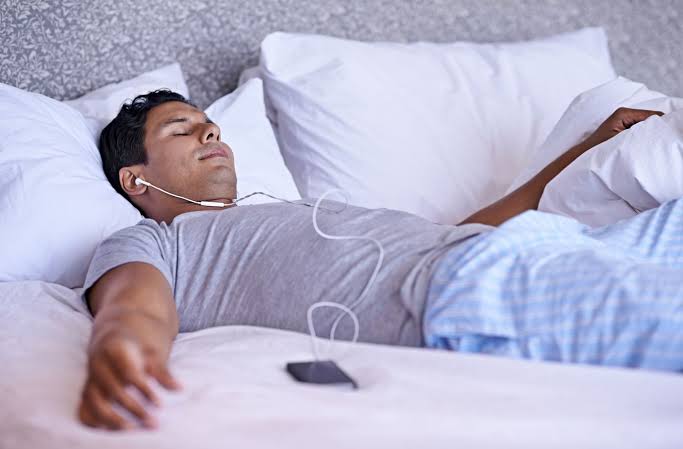
I get it—earplugs can feel weird at first. Like you’re suddenly underwater or wearing tiny marshmallows in your ears. But if you’ve ever woken up to the sound of your own heartbeat (yes, that’s a thing), they might be worth a try. The key is finding the right kind. Foam ones are cheap and effective, but they can feel too tight if you’re a side sleeper. Silicone ones mold to your ear and are way more comfortable, but they take a little practice to insert correctly. Start by rolling them between your fingers to compress them, then gently push them into your ear canal until they expand. It should feel snug but not painful. And if you’re worried about missing your alarm, don’t be—you’ll still hear it, just like you’d hear it through a pillow. Give them a week. If they’re still bothering you, try a sleep headband with built-in speakers instead. It’s like earplugs but with a side of white noise.
Turn your bedroom into a cave
Light is sneaky. It creeps in under doors, through curtains, even from the tiny LED on your smoke detector. And your brain? It notices. Even the smallest amount of light can signal your body that it’s time to wake up, pulling you out of deep sleep and into that frustrating half-awake state. So let’s make your bedroom as dark as possible. Blackout curtains are a great start, but don’t stop there. Cover up any glowing lights—your phone charger, your alarm clock, even the power button on your TV—with blackout stickers or a piece of tape. If light is coming in under your door, a draft stopper works wonders. I once spent an entire night convinced my room was pitch black, only to wake up and realize my phone’s charging light was casting a faint glow on the ceiling. It’s the little things that get you. Make your room so dark you can’t see your hand in front of your face. Your brain will thank you.
Tire your body out the right way
There’s a reason you sleep better after a long hike or a day spent running around with your kids. Your body craves deep sleep when it’s physically tired, and the more you move during the day, the more likely you are to stay asleep at night. But here’s the catch: timing matters. If you’re working out late in the evening, the adrenaline and endorphins might keep you wired when you should be winding down. Try to finish any intense exercise at least three hours before bed. And if you’re someone who loves a good nap, keep it short—20 minutes max—or skip it altogether. Long naps release the sleep pressure that helps you stay asleep through the night. I learned this the hard way after a 2-hour nap left me staring at the ceiling at 2 a.m. Also, get outside in the morning. Sunlight early in the day helps set your internal clock, making it easier to fall asleep and stay asleep later. It’s not about exhausting yourself; it’s about giving your body the right cues at the right time.
Stop the midnight bedtime wrestling match
If you share a bed, you know the struggle. One person flips over, and suddenly you’re wide awake. Or your partner steals the covers, and you’re left shivering. Motion transfer is a real thing, and for light sleepers, it’s a nightmare. The fix? A mattress that absorbs movement. Memory foam is great for this, but if you’re not in the market for a new mattress, a good topper can help. I once slept on a friend’s guest bed that had a cheap foam topper, and it was like sleeping on a cloud—no jostling, no waking up every time they rolled over. If you’re still feeling every little shift, try the Scandinavian method: separate blankets. It sounds weird, but it works. No more tug-of-war over the covers, and no more waking up because your partner is cold and stole your half of the comforter. And if you’re a tosser and turner yourself, a weighted blanket might help. The gentle pressure can make you feel more secure, like you’re being hugged all night. It’s not magic, but it’s pretty close.
Don’t sabotage your sleep before bed
You’ve probably heard it before: no heavy meals or alcohol before bed. But let’s be real—sometimes that glass of wine or late-night snack is the only thing getting you through the day. Here’s the thing, though: alcohol might help you fall asleep, but it wrecks your sleep later in the night. It fragments your sleep cycles, leaving you in that light, easily disturbed stage when you should be deep asleep. And heavy meals? They rev up your digestion, raising your core temperature and making it harder to stay asleep. I once ate a giant burrito at 10 p.
Don’t sabotage your sleep before bed (Continued)
m. and spent the next three hours tossing and turning, my stomach churning like a washing machine. Not fun. Try to finish eating at least three hours before bed, and if you’re hungry later, opt for something light—like a banana or a handful of nuts. And if you’re craving a drink, herbal tea is a great alternative. Chamomile or valerian root can help calm your nervous system, making it easier to drift off and stay asleep. It’s not about deprivation; it’s about giving your body what it needs to rest well.
Give yourself permission to rest
Here’s the thing no one tells you about being a light sleeper: it’s not just about the physical stuff. It’s about the mental load, too. The way you lie there, heart pounding, thinking, *I need to sleep. Why can’t I sleep? I have to be up in four hours.* That anxiety? It’s its own kind of noise. So here’s what I want you to try: next time you wake up in the middle of the night, instead of checking the clock or worrying about how tired you’ll be tomorrow, just breathe. Inhale for four counts, hold for four, exhale for six. Repeat until you feel your body relax. And if you’re still awake after a few minutes, get up. Go to another room, read a book (a boring one, not something that’ll keep you hooked), or listen to a podcast until you feel sleepy again. The goal isn’t to force yourself back to sleep; it’s to break the cycle of frustration. Because the more you stress about not sleeping, the harder it becomes. You’re not broken. You’re just human. And humans wake up sometimes. It’s okay.
Was this step-by-step guide helpful?
Your feedback helps us keep our guides accurate and clear.
📚 Authority Sources & Citations
This step-by-step guide is aligned with references and verification guidelines from the following trusted authorities: