How to deal with insomnia naturally
Domain specialist and verified guide author at HowToHub.
🎯 Quick Guide Summary & Core Answer
Here is the direct answer on how to deal with insomnia naturally in 5 sequential steps:
⚡ TL;DR / Key Takeaways
- Follow a structured, expert-verified sequence of 5 steps to successfully deal with insomnia naturally.
- Focus on the critical milestones: Train your brain to see your bed as a safe place and Eat and drink for sleep, not sabotage.
- Read the fact-checked tips and warnings to avoid common pitfalls during execution.
Step-by-Step Instructions
Train your brain to see your bed as a safe place
Here’s the thing: your bed might be part of the problem. If you’ve spent nights tossing, scrolling, or staring at the wall, your brain has started to associate it with stress—not rest. That’s why stimulus control works. Use your bed only for sleep (and intimacy, if that’s part of your life). No working, no doomscrolling, no lying there willing yourself to sleep. If you’re awake for more than 20 minutes, get up. Go to another room, keep the lights dim, and do something boring—like reading a book you’ve already read. The goal isn’t to force sleep; it’s to break the cycle of frustration. Return to bed only when you feel that heavy, sleepy pull. It might feel counterintuitive at first, but over time, your brain will start to trust that your bed is for rest, not wrestling with insomnia. And yes, that means your phone stays out of the bedroom. Charge it across the room, or better yet, in another room entirely. Your nervous system will thank you.
Let morning light reset your internal clock
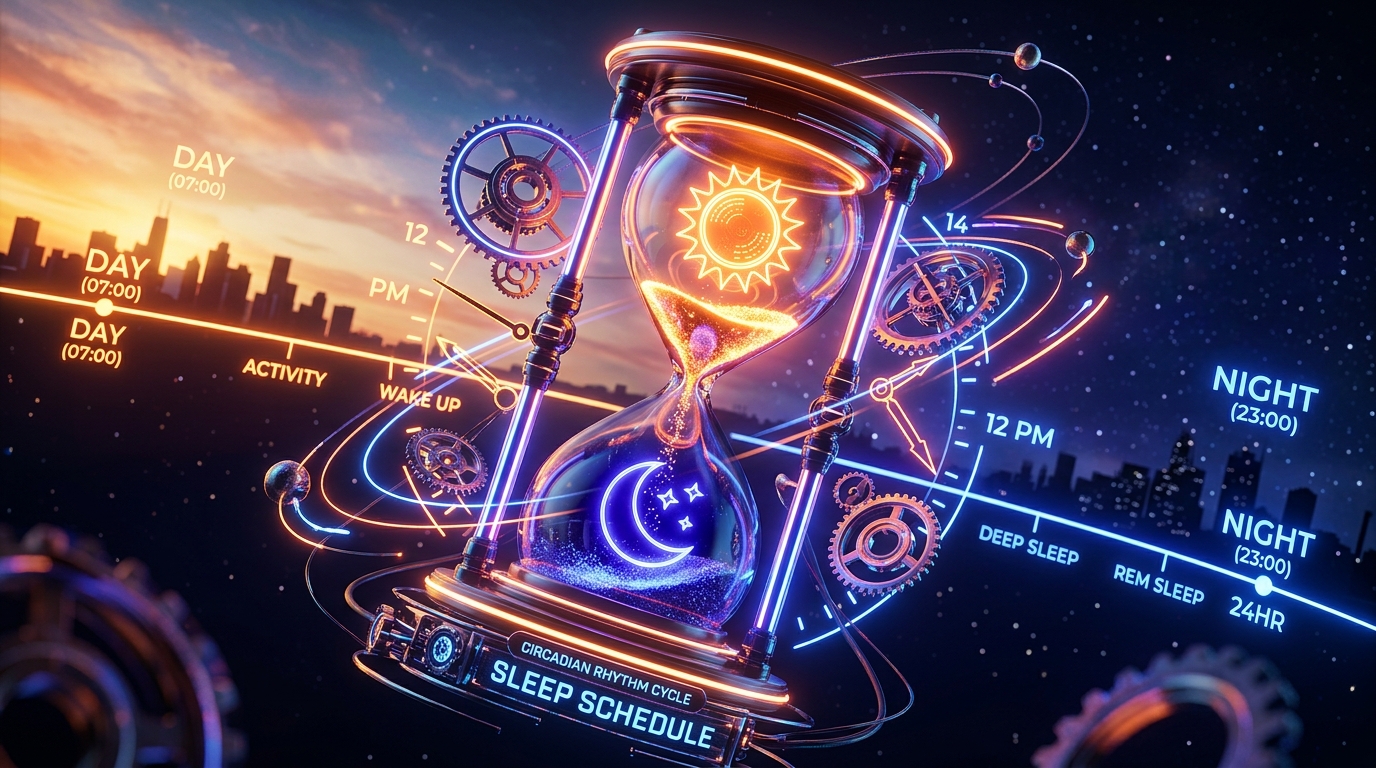
You’ve probably heard that sunlight helps with sleep, but here’s why it matters so much: your body runs on a 24-hour clock, and morning light is like hitting the reset button. Step outside within an hour of waking—no sunglasses, no phone—and let the light hit your eyes for 10 to 15 minutes. Even on cloudy days, that light tells your brain, ‘It’s time to wake up.’ This isn’t just about feeling alert in the morning; it’s about setting up your body to feel tired at the right time at night. If you’ve been stuck in a cycle of late nights and groggy mornings, this is how you break it. I get it—when you’re exhausted, the last thing you want to do is drag yourself outside. But think of it like brushing your teeth: a small habit that pays off in a big way. And if you can’t get outside? Sit by a bright window, but skip the sunglasses. Your circadian rhythm needs that light to do its job.
Give your body a predictable rhythm
Your body craves routine, even if you don’t. Going to bed and waking up at the same time every day—yes, even on weekends—helps regulate your internal clock. I know, I know. Sleeping in on Saturday feels like a reward, but it’s actually messing with your sleep for the rest of the week. Think of it like this: if you eat dinner at 6 PM one day and midnight the next, your stomach would be confused. Sleep works the same way. Pick a bedtime and wake-up time that feels sustainable (not just aspirational) and stick to it. Set a wind-down alarm 30 minutes before bed to start your routine. Maybe it’s dimming the lights, putting on pajamas, or reading a book. The key is consistency. Over time, your body will start to anticipate sleep, and that dreaded ‘I’ll never fall asleep’ feeling will fade. And if you’re thinking, ‘But I can’t fall asleep at the same time every night,’ that’s okay. Start with the wake-up time. Waking up at the same time every day trains your body to feel tired at the right time at night.
Create a screen-free buffer before bed
I’m not here to guilt you about screen time—we all do it. But if you’re struggling with insomnia, those last-hour scrolls might be sabotaging your sleep. Blue light from screens tricks your brain into thinking it’s daytime, suppressing melatonin (the hormone that makes you sleepy). Worse, the content you’re consuming—work emails, news, social media—keeps your mind in ‘alert’ mode. Try this: 60 to 90 minutes before bed, put your devices away. Not in another room, not on silent—out of sight. Replace that time with something that signals to your body, ‘It’s time to wind down.’ Maybe it’s journaling, listening to a podcast (nothing too stimulating), or just sitting quietly with a cup of tea. The goal isn’t perfection; it’s creating a buffer between the chaos of the day and the quiet of the night. If you’re used to falling asleep with the TV on, start by lowering the volume or switching to a calming playlist. Small steps add up.
Eat and drink for sleep, not sabotage
What you eat and drink in the afternoon and evening can make or break your sleep. Caffeine is the obvious culprit—it lingers in your system for hours, blocking the chemicals that help you feel sleepy. If you’re sensitive to it, cut it off by 2 PM. And dinner? Heavy, greasy meals can leave you tossing and turning as your body works overtime to digest. Aim to finish eating at least three hours before bed. If you’re hungry later, a small snack like a banana or a handful of almonds can help. Alcohol is another sneaky sleep disruptor. It might make you feel drowsy at first, but it fragments your sleep later in the night, leaving you exhausted the next day. Instead, try a calming herbal tea like chamomile or valerian root. The ritual of making tea can be soothing in itself. And if you’re someone who wakes up at 3 AM with your mind racing, try sipping warm water or herbal tea—it’s a gentle way to signal to your body that it’s still time to rest.
Was this step-by-step guide helpful?
Your feedback helps us keep our guides accurate and clear.
📚 Authority Sources & Citations
This step-by-step guide is aligned with references and verification guidelines from the following trusted authorities: