How to sleep earlier when you are a night owl
Domain specialist and verified guide author at HowToHub.
🎯 Quick Guide Summary & Core Answer
Here is the direct answer on how to sleep earlier when you are a night owl in 5 sequential steps:
⚡ TL;DR / Key Takeaways
- Follow a structured, expert-verified sequence of 5 steps to successfully sleep earlier when you are a night owl.
- Focus on the critical milestones: Start smaller than you think you need to and Stop sabotaging yourself with caffeine and late dinners.
- Read the fact-checked tips and warnings to avoid common pitfalls during execution.
Step-by-Step Instructions
Start smaller than you think you need to
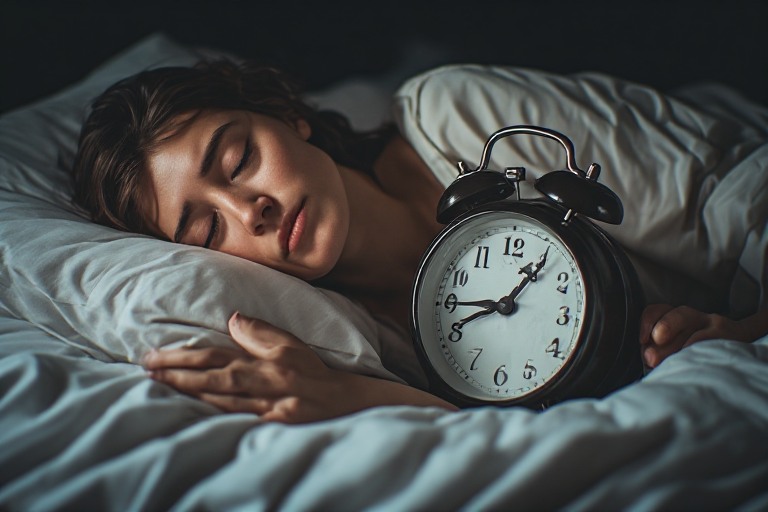
I get it—you’re tired of feeling like a zombie by noon. So you decide tonight’s the night: you’re going to bed at 10 PM, no excuses. But then 10 PM rolls around, and suddenly your brain is wide awake, replaying every awkward conversation from the last decade. Sound familiar? Here’s the hard truth: your body doesn’t care about your good intentions. It’s not a light switch you can just flip. So instead of declaring war on your natural rhythm, try moving your bedtime *just* fifteen minutes earlier. That’s it. Wake up fifteen minutes earlier too, even if it feels pointless. Do this for a few days. Then nudge it another fifteen. It’s slow, yes, but it’s the only way your body won’t fight back. I remember the first time I tried this—it felt like I was doing nothing. But after a week, I realized I was actually *falling asleep* instead of just lying there. Small steps aren’t sexy, but they work.
Trick your brain with morning light
You wake up groggy, stumble to the coffee maker, and immediately reach for your phone. But here’s what your body *really* needs: sunlight. Not the weak glow through your curtains—actual, unfiltered daylight. Step outside for even 10 minutes, even if it’s cloudy. That light tells your brain, *Hey, it’s morning now,* and starts a countdown to sleepiness later. No sun? A bright lamp (like those therapy lights) can fake it. I started doing this on a whim last winter, and honestly? It was the first time in years I didn’t feel like I was dragging myself through the day. Your body doesn’t care about your to-do list—it cares about signals. Give it the right ones.
Turn your home into a sunset
You’ve probably heard ‘no screens before bed’ a hundred times, but here’s what no one tells you: *it’s not just about the screens.* It’s about the light. Bright overhead lights trick your brain into thinking it’s still daytime. So two hours before bed, start dimming things. Swap harsh bulbs for warm, soft lamps. Light a candle (even if it’s just for the vibe). I keep a little salt lamp on my nightstand—it’s not bright enough to read by, but it makes my room feel cozy, like a signal to my body that it’s time to wind down. It’s not about perfection. It’s about creating a space that *feels* like night, even if it’s only 9 PM. Your brain will start to get the hint.
Give your brain a boring hour before bed
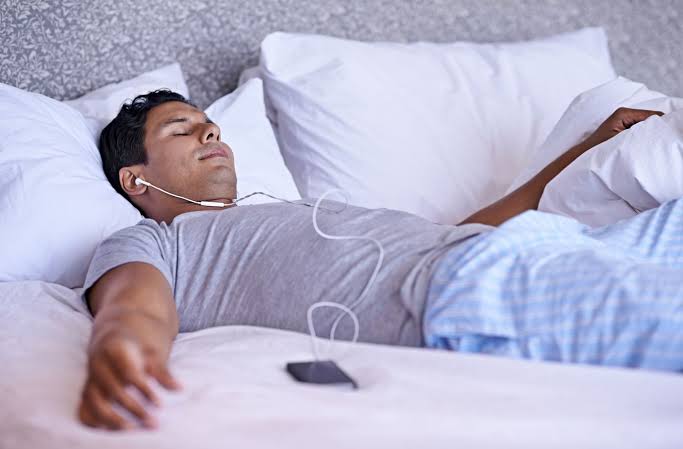
You know what’s *not* boring? Scrolling through your phone at midnight, falling into a rabbit hole of ‘just one more video.’ Your brain loves that stuff—it’s like candy. But here’s the problem: your brain also needs to know when to power down. So an hour before bed, pick something deliberately dull. Read a book (a physical one, not on your phone). Listen to the same song on repeat. Fold laundry. I started journaling—just scribbling whatever was on my mind—and at first, it felt ridiculous. But then I noticed something: my thoughts slowed down. My body relaxed. It’s not about ‘clearing your mind’ (good luck with that). It’s about giving your brain something easy to focus on, so it stops racing. Try it for a week. If it feels stupid, you can go back to doomscrolling. But I bet you won’t want to.
Stop sabotaging yourself with caffeine and late dinners
You’re trying so hard to sleep earlier, but then 3 PM hits, and suddenly you’re mainlining iced coffee like it’s oxygen. Or you eat dinner at 9 PM because that’s when you finally have time. Here’s the thing: your body isn’t a machine. It’s a chemistry set. Caffeine sticks around way longer than you think—up to 10 hours. So that 4 PM latte? It’s still in your system at midnight. And digestion? It’s like running a marathon for your body. A heavy meal late at night keeps your system revved up, making it harder to wind down. I learned this the hard way when I kept wondering why I couldn’t sleep, even after a ‘perfect’ bedtime routine. Turns out, my 8 PM snack was the culprit. Now? I switch to herbal tea after lunch and eat dinner by 7 PM. It’s not always easy, but my body thanks me for it.
Was this step-by-step guide helpful?
Your feedback helps us keep our guides accurate and clear.
📚 Authority Sources & Citations
This step-by-step guide is aligned with references and verification guidelines from the following trusted authorities: