{{PAGINATION_PREV_NEXT}}
How to do a body scan meditation

How to do a body scan meditation

Knowing how to do a body scan meditation is a powerful tool for releasing stored physical tension and calming an overactive mind. This mindfulness practice encourages you to systematically bring awareness to different parts of your body, from your toes to the top of your head. By checking in with your physical sensations, you can identify areas of stress and consciously relax them. Follow this step-by-step tutorial to establish a deep somatic connection and restore internal balance.

1

Adopt a comfortable lying or seated position

Step 1: Adopt a comfortable lying or seated position

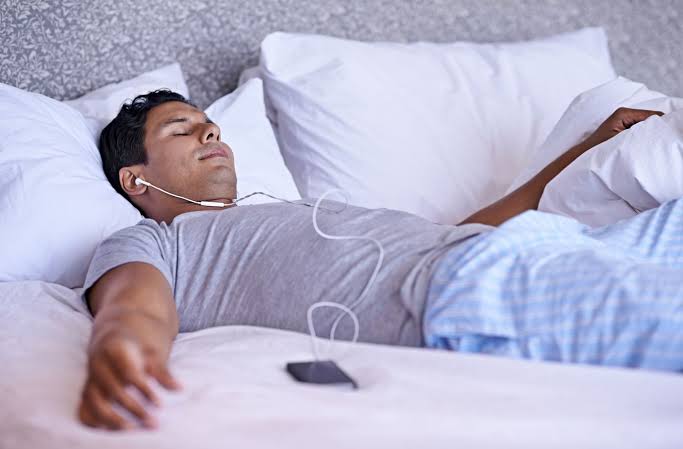
Prepare for the body scan by lying flat on your back on a yoga mat, bed, or carpeted floor. If lying down makes you too sleepy, you can sit upright in a comfortable chair with your back fully supported. Let your arms rest naturally at your sides, palms facing upward, and allow your feet to drop outward. Close your eyes gently and take three deep, slow breaths. Inhale through your nose to expand your chest, and exhale fully through your mouth to release initial surface tension, preparing your mind for internal scanning. Make sure the room is warm enough, and cover yourself with a light blanket if needed to prevent shivering during the stillness.

💡
Pro tip: Use a small pillow under your knees if you experience lower back discomfort while lying flat on your back.
2

Learn how to do a body scan meditation starting from your toes

Step 2: Learn how to do a body scan meditation starting from your toes

Begin how to do a body scan meditation by directing your full attention down to the toes of both feet. Notice any physical sensations present in this region, such as warmth, coldness, tingling, tightness, or the touch of your socks. Spend about thirty seconds observing these sensations without trying to change them. If you feel absolutely nothing, simply acknowledge that lack of sensation. Take a deep breath, and on the exhalation, visualize releasing any tension stored in your toes, letting them relax completely and sink down into the floor. Feel the weight of your feet as they rest passively, allowing a wave of comfort to begin moving upward.

# Focus Area Sequence
- Step 1: Toes and feet (left and right)
- Step 2: Ankles and calves
- Step 3: Knees and thighs
- Step 4: Pelvis and lower back
- Step 5: Abdomen and chest
- Step 6: Shoulders, arms, and hands
- Step 7: Neck, jaw, and face
3

Scan through your lower limbs and joints

Step 3: Scan through your lower limbs and joints

Move your focus slowly up from your feet to your ankles, calves, shins, and knees. Observe any sensations, like the weight of your legs pressing against the floor or tightness in the calf muscles. Continue to breathe deeply and smoothly. Direct your attention to your thighs, noticing the large muscle groups and any deep-seated fatigue. On each outward breath, consciously soften the muscles of your legs, imagining them sinking deeper and heavier into the surface beneath you as tension melts away, leaving your lower limbs fully relaxed, loose, and heavy. Let go of any urge to move, adjusting, or control your legs.

💡
Pro tip: If your mind wanders during the scan, simply note where it went and gently redirect it to the body part you were scanning.
Watch: Guided Body Scan Meditation for Mind \u0026 Body Healing — Michael Sealey Open on YouTube ↗
4

Bring awareness to your pelvic floor and lower back

Step 4: Bring awareness to your pelvic floor and lower back

Shift your attention to your hips, pelvis, and lower back, which is a common area for stress storage. Notice any tightness, aching, or compression. Breathe into your pelvis, visualizing the breath warming and softening the entire lower torso. As you exhale, let go of any holding patterns or rigidity in your glutes and lower back muscles. Let your hips open up and sink down, feeling the heavy, stabilizing support of the floor beneath your skeletal structure, allowing your lower back to release its grip. Notice how your breathing naturally expands the lower back against the floor on each inhale. Make sure to perform this step in a quiet, dark setting to prevent any visual stimulation from interrupting your brain's transition into a calm state.

# Lower Body Relaxation Blueprint
- Inhale: Focus on hips and lumbar region.
- Hold: Maintain awareness of physical tightness.
- Exhale: Consciously release muscle contraction.
- Visualization: Imagine tension draining into the earth.
5

Observe sensations in your abdomen and chest cavity

Step 5: Observe sensations in your abdomen and chest cavity

Guide your awareness to your stomach and chest, paying attention to the physical movements of breathing. Feel the gentle rise and fall of your abdomen and the expansion of your rib cage. Notice if you are holding your stomach tight or breathing shallowly. Allow your belly to soften completely, permitting deep diaphragmatic breathing. Observe the beating of your heart if you can, acknowledging it as a steady anchor of life and presence in this very moment, free of judgment or expectation, allowing your core to settle. Feel the warmth of your breath expanding within your chest cavity, bringing oxygen to all your organs.

💡
Pro tip: Placing one hand on your stomach can help you physically track the breath and keep your attention anchored.
6

Soften your shoulders and upper limbs

Step 6: Soften your shoulders and upper limbs

Direct your focus to your collarbones, shoulders, and down both arms to your hands and fingers. The shoulders frequently hold emotional burdens, resulting in tightness and elevation. Consciously drop your shoulders away from your ears on your next exhale. Feel the weight of your arms, noticing any warmth or tingling in your palms and fingertips. Let your fingers curl naturally, releasing any grip or tension in your wrists and forearms, allowing your upper limbs to become totally limp and free of stress. Imagine the stress flowing down your arms and exiting through the tips of your fingers. This simple behavioral adjustment serves as a powerful cue to your nervous system, allowing you to transition smoothly from daytime alertness to deep relaxation.

# Upper Body Release Check
[ ] Shoulders dropped away from ears
[ ] Neck muscles lengthened and relaxed
[ ] Elbows heavy and loose
[ ] Palms soft and fingers resting naturally
7

Relax your neck and facial muscles completely

Step 7: Relax your neck and facial muscles completely

Move your attention up to your neck, throat, jaw, mouth, and face. Release any clenching in your jaw, let your tongue rest softly against the bottom of your mouth, and smooth out the muscles around your eyes and forehead. These facial muscles are highly reactive to stress and holding expressions. As you breathe out, feel your entire face soften, releasing any micro-tensions. Take a final moment to feel your body as a single, unified whole, resting in complete relaxation and stillness before gently opening your eyes, feeling fully grounded, refreshed, and connected to your physical self. By prioritizing this practice, you directly lower your physiological arousal levels and prepare your autonomic nervous system for deep, restorative sleep.

💡
Pro tip: Part your lips slightly to automatically trigger the release of tension in your masseter (jaw) muscles.

Citations & External Resources

This guide was researched using authoritative sources. For further reading, explore the references below:

Frequently Asked Questions

How to do a body scan meditation?

Release physical tension and calm your nervous system. Learn how to do a body scan meditation to ground yourself and improve sleep naturally. For more practical tips, check out our guide on How to recover from sleep deprivation fast.

What is the best way to do a body scan meditation?

The best way to do a body scan meditation is to follow a systematic step-by-step approach. Knowing how to do a body scan meditation is a powerful tool for releasing stored physical tension and calming an overactive mind. This mindfulness practice encourages you to systematically bring... You might also find our guide on How to recover from sleep deprivation fast helpful.

How long does it take to do a body scan meditation?

Most people can do a body scan meditation within 6 minutes of consistent practice. The exact timeline depends on your starting point and how diligently you follow the steps in this guide. For more help, read our related guide: How to recover from sleep deprivation fast.

Related Guides

Free · No spam · Unsubscribe anytime

One new guide, every Tuesday.

Join 47,000 people who get a practical, actionable how-to guide delivered straight to their inbox — no ads, no fluff.

🔒 We respect your privacy. Unsubscribe in one click.